- A Book a Week
- Posts
- 📗 She Was Shot for Going to School.... What She Did Next Will Change How You See Your Own Excuses
📗 She Was Shot for Going to School.... What She Did Next Will Change How You See Your Own Excuses
The Incredible Memoir “I Am Malala”
Good morning, everyone!
This week, we're focusing on "I Am Malala" by Malala Yousafzai. At just fifteen years old, Malala Yousafzai was shot in the head by a Taliban gunman on her school bus in Pakistan's Swat Valley. Her crime? Speaking up for girls' right to an education. I Am Malala is her extraordinary memoir, a story of faith, family, radical courage, and what happens when one young girl refuses to be invisible.

This is not just a book about Pakistan or the Taliban or geopolitics. It is a book about voice. About what it costs to use yours, and what it costs humanity when you don't. Malala's story forces you to look at the things you take for granted: your freedom to learn, to speak, to exist without fear, and ask yourself: what am I doing with the privileges she nearly died for?
Lets dive in.

Principle #1: Your voice is not just yours… it belongs to everyone who can't speak.
Malala didn't just speak up for herself. She spoke up for the millions of girls across Pakistan and the world who had been silenced. She understood, even as a child, that silence in the face of injustice is a form of participation. When you choose to stay quiet to stay safe, ask yourself: who else is affected by that silence?
Principle #2: Courage isn't the absence of fear, it's the decision that something matters more.
Malala and her family received death threats. They knew the risks. They spoke anyway. Courage, as this book shows, is not a personality trait reserved for heroes. It is a choice made over and over again, even when your hands are shaking. What in your life is worth being scared for?
Principle #3: Education is not a privilege, it is a weapon against oppression.
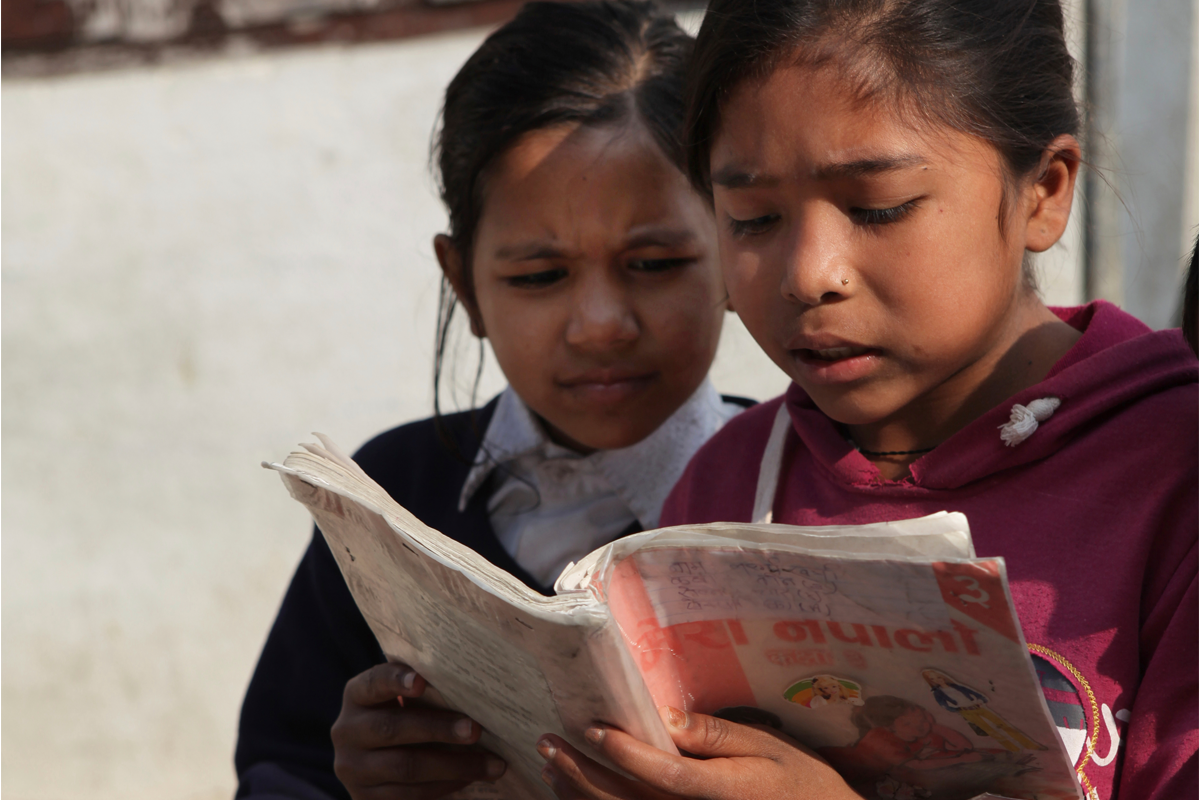
The Taliban banned girls from school because they understood something critically important: an educated woman is harder to control. Knowledge is power, and power threatens those who rely on ignorance to rule. Malala's story is a visceral reminder that learning is an act of resistance and that you should never take it lightly.
Principle #4: Family shapes everything, nurture the people who believe in you.
Much of Malala's extraordinary courage was built at home. Her father, Ziauddin, refused to let the world shrink his daughter. He told her she was equal. He brought her into conversations about politics, justice, and the world. The people who believe in us before we believe in ourselves are worth their weight in gold. Cherish them. And be that person for someone else.
Principle #5: Identity is not given to you, it is claimed.
"I Am Malala" is a declaration, not a description. Throughout her ordeal, Malala held onto who she was with remarkable clarity. She didn't let violence rewrite her story. In a world that constantly tries to tell you who to be — smaller, quieter, more compliant — claiming your identity and refusing to let it be stripped away is one of the most powerful things you can do.
Principle #6: One person with conviction can shift the world.
Malala was a teenage girl in a remote valley in Pakistan. She started by writing an anonymous blog for the BBC. She had no army, no platform, no resources, just a belief that what was happening was wrong and a willingness to say so. Never underestimate the reach of a single, principled voice.

"One child, one teacher, one book, one pen can change the world."
"I don't want to be remembered as the girl who was shot. I want to be remembered as the girl who stood up."
"When the whole world is silent, even one voice becomes powerful.

Identify one thing you've been afraid to say,and say it. It doesn't have to be to a crowd. It can be one honest conversation with one person. Malala started by writing anonymously for the BBC. Start where you are. Start small. Start somewhere.
Audit how you use your access to knowledge. You have the internet, books, courses, podcasts, tools Malala risked her life for the right to access. This week, choose one subject you've been meaning to learn about and actually commit to it. Education is the privilege she nearly died for. Use it.
Find someone younger than you and believe in them out loud. Malala's father told her she was capable and worthy long before the world did. Think of a young person in your life; a child, a student, a junior colleague and tell them specifically what you see in them. That kind of belief changes lives.

This week, write down one area of your life where fear is keeping you quiet. Maybe it's a career risk you haven't taken, a truth you haven't told, a dream you haven't admitted out loud. Then write one small action you can take this week to stop letting that fear run the show. Malala didn't wait until the world was safe. She moved anyway. So can you.

Malala Yousafzai was born in 1997 in Mingora, in Pakistan's Swat Valley. Her father, Ziauddin, was an education activist who ran a school and from the start, he raised Malala to believe her voice mattered. When the Taliban took control of the Swat Valley and banned girls' education, Malala began speaking publicly and writing for the BBC under a pseudonym. In October 2012, she was shot on her school bus. She survived, was airlifted to Birmingham, UK for treatment, and instead of going silent, she got louder.
In 2014, at age seventeen, she became the youngest person ever to receive the Nobel Peace Prize. She went on to found the Malala Fund, an organization dedicated to ensuring twelve years of free, quality education for every girl. She graduated from Oxford in 2020. Her story is not just extraordinary, it is a reminder that age, geography, and circumstance are not excuses. They never were.


We hope this week's edition leaves you a little more awake to the life you're living and the voice you're holding back. Malala's story isn't just inspiring… it's a quiet challenge to all of us to stop waiting for conditions to be perfect before we show up fully.
Until next week,
The A Book a Week Team
If you’re enjoying A Book a Week, spread the word by sharing the sign up link with a colleague or friend. We really appreciate the support 🙏
Partner with A Book a Week and reach 700+ readers & professionals' inboxes.
Contact us to learn more.